


Nordstrom
4.84.46K Reviews
App Specs
- Version
- 12.7.0.222
- Updated On
- License
- Free
- Downloads
- 1,000,000+
- Developer
- Nordstrom, Inc.
- Categories
- Shopping
- Platform
- Android, iOS
Screenshots
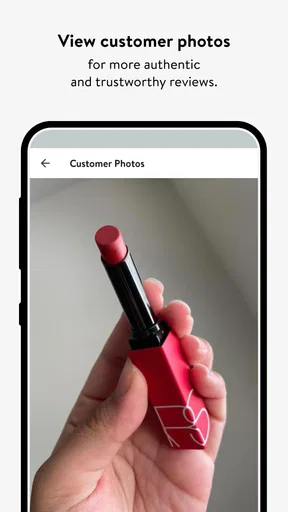
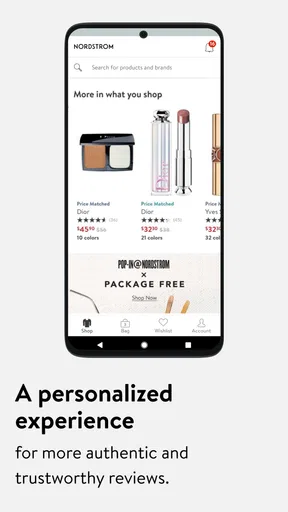
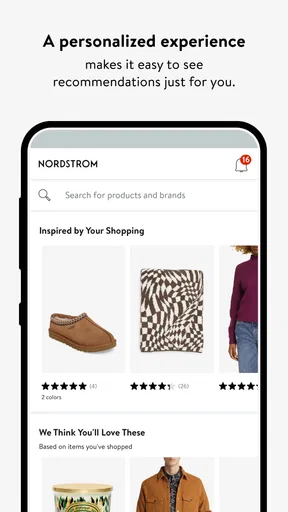
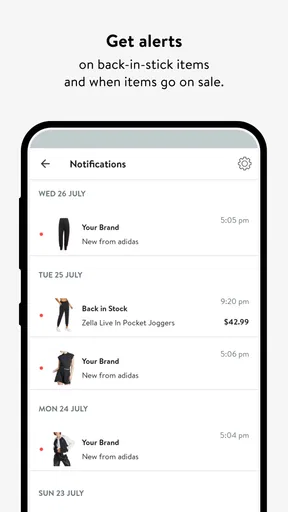
 Analysis by AppCompare
I approached Nordstrom as a shopping app rather than simply a mobile version of a department store. That distinction matters. A retail app can save time when you already know what you want, but it can also encourage browsing, account creation, notifications, and impulse purchases. My experience with this one is strongest when I use it with a clear purpose: checking clothing, shoes, or handbags, comparing options, and deciding whether a particular item deserves my attention.
The app is free, belongs to the Shopping category, and is developed by Nordstrom, Inc. Its store summary focuses on clothing, shoes, and handbags, which is an accurate description of the main experience. It is available for Everyone, and its long presence on mobile makes it feel like an established retail tool rather than a temporary campaign app. The current release is version 12.7.0.222, and it requires at least OS 9, so compatibility is relatively broad for people using older supported devices.
What makes me take it seriously is not that it tries to be everything. It is more useful because its purpose is clear. I can open it to browse fashion, narrow down a product search, inspect an item, and move toward a purchase without switching between unrelated services. Still, I would not recommend installing it automatically for every shopper. Whether it earns space on your phone depends on how often you shop at Nordstrom and how comfortable you are using a retailer account on a mobile device.
How Nordstrom earns trust as a shopping app
A shopping app handles a different kind of trust than a game or a weather tool. I am not only asking whether pages load or whether the catalog looks polished. I am also thinking about the moment when I sign in, save something, enter delivery details, or decide whether a purchase should happen through the app at all.
Nordstrom benefits from having a recognizable retail identity behind it. The developer is listed as Nordstrom, Inc., so the app is not presenting itself as an unrelated marketplace that happens to use the same name. That does not remove the need for care, but it gives the shopping experience a clear source and makes it easier to understand who I am dealing with.
The app has an average rating of 4.8 from around 46 thousand ratings, with roughly 4.5 thousand written reviews. I treat those figures as a useful signal of broad satisfaction, not as proof that every device, order, or customer interaction will be perfect. Retail apps can perform well for browsing while still producing occasional frustration around inventory, delivery choices, returns, or account access.
Its reach also suggests that it is not an obscure experiment. Nordstrom has more than one million installs, which tells me that many people use the mobile channel. That scale is reassuring in one narrow sense: the app has had enough exposure to ordinary shopping habits to become a practical part of the brand’s digital presence. It is not, however, a reason to ignore what the app asks me to do or what information I choose to enter.
Worth Reading Before You Choose

EA SPORTS FC Mobile 26 Is a Bigger Football Game, but It Takes Time

Flipboard Shows What News Apps Must Do Beyond the Feed

Switching to Android Auto Means Rethinking Your Driving Routine

Google Calendar Makes a Crowded Week Easier to Manage

Ludo King Makes the Most of the Minutes Between Plans

Baby Panda World Brings Quick Play to Modern Phones, but Its Game Library Feels Busy
The most trustworthy way to use it is to separate browsing from commitment. I can explore products without immediately deciding to buy, review the details, and only then choose whether to sign in or continue. That simple habit gives me more control than treating every attractive recommendation as a reason to create an account or place an order.
What the shopping experience feels like in daily use
The app makes the most sense for shoppers who already have a category in mind. If I am looking for a particular style of shoe, a handbag for a specific occasion, or clothing within a certain look, a dedicated retailer app is more focused than opening a general search engine and sorting through unrelated sellers.
For casual discovery, the experience is more complicated. Fashion browsing can be enjoyable, but a large catalog can also make it difficult to decide. I found that the best approach is to begin with a practical question: am I replacing something, preparing for an event, or comparing a few possibilities? Starting with that question keeps the session useful and reduces the temptation to fill a saved list with items I will never seriously consider.
A realistic example is preparing for a work event. I might use the app to inspect handbags or shoes, look at the available product information, and compare several candidates before making a decision. Instead of relying on the first attractive image, I would check color, sizing information, material details, and the delivery or collection choices shown during the buying process. The app is valuable here because it brings those decisions into one shopping flow, but it cannot make the personal fit decision for me.
That last point is important for fashion. A product photograph can help me judge style, yet it cannot fully reproduce the experience of trying on clothing or handling a bag in person. If I am uncertain about fit, texture, or color, a physical store or a retailer with a particularly convenient return process may be a better choice than completing the purchase immediately through mobile.
Account controls and the moments that deserve attention
My preferred way to use a retail app is to keep the account boundary deliberate. I do not sign in simply because a screen suggests it. I first decide whether I need account-based conveniences, such as keeping shopping activity connected across sessions. If I am only checking whether a product exists, browsing without committing is often enough.
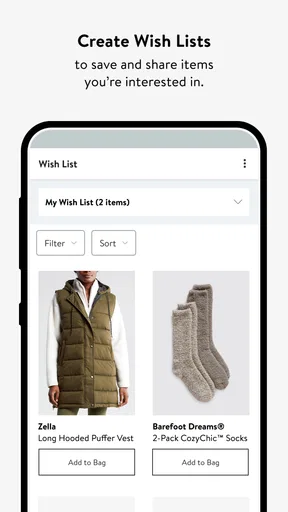
When an account is useful, I still review what I am choosing to save. A shopping list can be helpful for comparing items over time, but it can also become a record of preferences that I no longer want associated with my account. I periodically remove old choices rather than allowing every past browsing decision to accumulate indefinitely.
The sensitive moments are easy to identify. They include creating or accessing an account, entering contact details, adding delivery information, selecting a payment method, and completing an order. I slow down at each of these points. I check that I am signed in to the intended account, confirm the delivery information, and review the final order details before confirming anything.
I also distinguish between information needed to complete a purchase and information that merely makes future shopping more convenient. That distinction helps me make clearer choices. If I am not planning to buy, I do not enter checkout details just to see what the final screen might look like. If I am buying, I review the information shown at checkout instead of assuming that an earlier selection is still correct.
The strongest privacy habit here is simple: treat every optional convenience as a choice, not as a requirement. I look for visible controls around sign-in, saved information, notifications, and communication preferences. I do not assume that accepting one useful feature means I must accept every related prompt.
Data-sensitive shopping without losing control
Fashion apps can feel personal because the products themselves are personal. My searches may reveal that I am preparing for an event, replacing work clothes, looking for a gift, or comparing expensive items. I therefore prefer to keep browsing sessions purposeful and avoid treating recommendations as neutral background content.
One practical technique is to use the app in stages. I first browse and learn what is available. I then compare a short group of products. Only after that do I decide whether an account, saved item, or purchase is worthwhile. This workflow limits unnecessary activity and makes it easier to notice when the app is helping me versus when I am simply scrolling.
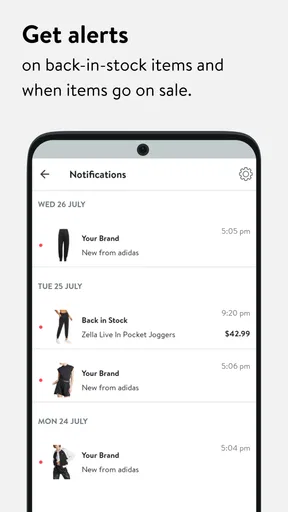
Notifications deserve the same attention. Retail alerts can be useful when I am actively waiting for an order or tracking a chosen item, but they can become distracting when I am not shopping. I prefer to review notification choices through the device and app settings rather than leaving every prompt enabled by default. If I stop using the app regularly, disabling its notifications is a sensible part of uninstalling or taking a break.
I also avoid using public or shared devices for account access and checkout. That is ordinary digital hygiene, but it matters more when an app combines personal shopping activity with delivery or payment information. On my own phone, I keep the operating system supported and use the device’s normal security features. The app requires OS 9 or later, but compatibility alone is not the same as good account security; my device habits still matter.
Another useful trade-off concerns convenience. Saving details can make repeat shopping quicker, yet entering information again gives me another chance to verify it. For occasional purchases, I am comfortable spending a little extra time reviewing each step. For frequent shoppers, saved account features may be worth it, provided they periodically check that the stored information remains accurate and wanted.
Where the app is genuinely useful
Nordstrom is a good fit for people who already shop with the retailer and want a focused way to inspect its fashion selection. It is also useful for someone who prefers to research products before visiting a store. I can use the phone to narrow down styles and arrive with a better idea of what I want to see, rather than beginning with an entirely open-ended search.
It can also help when timing matters. Suppose I need a handbag or pair of shoes before a weekend event. I can use the app to compare candidates, check the information presented for each one, and decide whether mobile ordering is appropriate or whether visiting a store would reduce uncertainty. The important benefit is not merely speed; it is having a structured place to make the decision.
Another less obvious use is separating inspiration from purchasing. I can collect ideas mentally or through the app’s available shopping flow, then wait before buying. That pause is especially valuable for higher-cost fashion items. If I still want the item after considering how often I will use it, what it replaces, and whether the fit is likely to work, the purchase becomes more intentional.
The app is less compelling for shoppers who want to compare many retailers at once. A general shopping search or a price-comparison service may be better for finding the lowest price, checking a wider range of brands, or comparing delivery policies across different stores. Nordstrom’s focused catalog is an advantage when I want Nordstrom; it is a limitation when I am still deciding where to shop.
It is also not the best choice for someone who dislikes retail accounts, mobile checkout, or personalized shopping prompts. A browser session or physical store may feel more comfortable. Likewise, shoppers who need to inspect fit and material before deciding should treat the app as a research companion, not a substitute for trying products in person.
Small frictions that affect my recommendation
The first limitation is inherent to mobile fashion shopping: images and descriptions reduce uncertainty, but they do not eliminate it. Shoes can feel different from what I expect, clothing proportions can vary, and handbag size is easy to misjudge when I only see a product photograph. I therefore read the product information carefully and avoid assuming that an attractive image tells me everything important.
The second is the temptation to confuse a smooth interface with a completed decision. A few taps can move me from discovery to checkout, which is convenient but also makes deliberate review essential. I pause before confirming an order, especially when I have been browsing for a long time or when several similar products are in my cart.
The third is that a retailer-specific app naturally narrows my comparison. If I care most about finding the cheapest equivalent item, I should compare elsewhere before buying. If I care about shopping within Nordstrom’s selection and prefer its retail relationship, the narrower focus becomes a benefit rather than a drawback.
There is also a maintenance question. An app earns its place on my phone when I use it often enough to justify updates, notifications, and account management. If I shop only once in a long while, using a mobile browser or visiting a store may be simpler. The fact that the app is free removes a direct purchase cost, but it does not remove the attention and personal information involved in using any shopping service.
Who should install it, and who should skip it?
I would recommend Nordstrom to an existing Nordstrom customer who wants a convenient way to browse clothing, shoes, and handbags from a phone. It is also a sensible option for someone planning a specific purchase and wanting to research before committing. The app’s strong average rating and substantial user base support trying it, while the free price makes experimentation easy.
I would be more cautious about recommending it to someone who is only looking for the lowest possible price, wants a broad multi-store comparison, or prefers not to maintain retailer accounts. That person may get more value from a general shopping tool, a browser, or direct visits to several stores. I would also suggest that shoppers with uncertain sizing use the app to research, then confirm fit through an in-person option when possible.
For privacy-conscious users, my recommendation is not an automatic yes or no. Use it with clear boundaries: browse intentionally, sign in only when the account benefits are worth it, review visible choices, limit notifications you do not need, and inspect checkout information before confirming. Those habits make the experience more controlled without pretending that a retail app is the same as a private, offline catalog.
My cautious verdict
After using Nordstrom as a focused shopping tool, I see it as a practical companion for fashion research and purchases rather than an essential app for everyone. Its strongest quality is concentration: it brings Nordstrom’s clothing, shoe, and handbag shopping experience into a mobile format that is easy to approach when I already know what I am looking for.
I appreciate that the app is free, broadly compatible from OS 9 onward, and available to an Everyone audience. Its rating of 4.8, based on around 46 thousand ratings, is encouraging, but I still judge it by the way it fits my own shopping habits. A high rating cannot replace checking product details, reviewing order information, or deciding whether account conveniences are worth the personal data and attention they involve.
My recommendation is to install it when you have a real Nordstrom shopping purpose, not merely because it is available. Use it to narrow choices, compare thoughtfully, and prepare for a purchase. Keep control over sign-in, notifications, saved information, and checkout. If you want the broadest market comparison or need to feel products before buying, another route will serve you better. For the right shopper, though, this is a focused and credible way to bring Nordstrom shopping to a phone without losing the ability to make careful choices.
Pros
- Wide selection of clothing
- shoes
- beauty products
- and accessories
- Helpful product filters make browsing easier
- Nordstrom Rewards offers points and member benefits
- Store pickup and convenient delivery options are available
- Customer service and return support are generally reliable
Cons
- Some popular sizes and colors sell out quickly
- Premium brands can make the overall prices expensive
- App performance may vary on older mobile devices
- Promotional offers often include specific exclusions
- Delivery times can differ depending on the seller and item
FAQs for Nordstrom
What is the Nordstrom app used for?
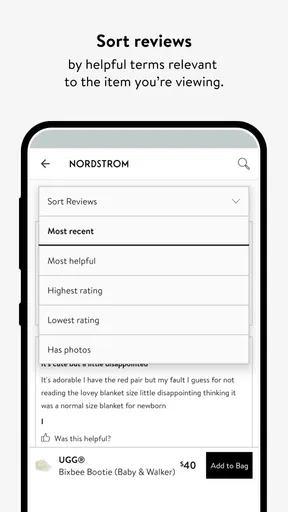
The Nordstrom app is a shopping platform for browsing and purchasing clothing, shoes, accessories, beauty products, home items, and gifts. During testing, it provided product categories, search and filtering tools, product details, customer reviews, and account features. Users can also manage orders, view shipping information, save items, and check available services such as store pickup, depending on their location.
Can I use the Nordstrom app to shop at Nordstrom Rack?
Yes, the Nordstrom app generally includes access to Nordstrom Rack merchandise, although the available selection and shopping experience may vary by region and current app version. Nordstrom Rack focuses on discounted fashion, footwear, accessories, and home products. Before purchasing, check the product listing carefully because prices, stock, shipping options, return conditions, and seller or fulfillment details may differ from regular Nordstrom items.
Does the Nordstrom app offer in-store pickup and delivery options?
The app may provide several fulfillment options, including standard shipping, expedited delivery, same-day services in selected areas, and store pickup. Availability depends on the product, inventory, store location, and delivery address. When placing an order, review the options shown at checkout rather than assuming every item qualifies. The app normally displays estimated dates, fees, and pickup instructions before payment.
How do returns and refunds work through the Nordstrom app?
Orders placed through the Nordstrom app can usually be managed from the account or order history section, where eligible items may be returned or exchanged according to Nordstrom’s current policy. Return methods can include shipping an item back or visiting a participating store. Policies may vary for Nordstrom Rack products, beauty items, final-sale merchandise, and third-party products, so read the item-specific conditions before ordering.
Is the Nordstrom app free and safe to download?
The Nordstrom app is generally free to download from the official Google Play Store or Apple App Store. The app itself does not normally require a subscription to browse or place standard orders, although purchases, delivery charges, and optional services may cost extra. For safety, download only the official app, verify the developer name, review requested permissions, and keep the app updated.


